Trigger AI AEO / GEO Resources About us Book a free audit
AI Systems / AI implementation

One AI layer, across every function you run.

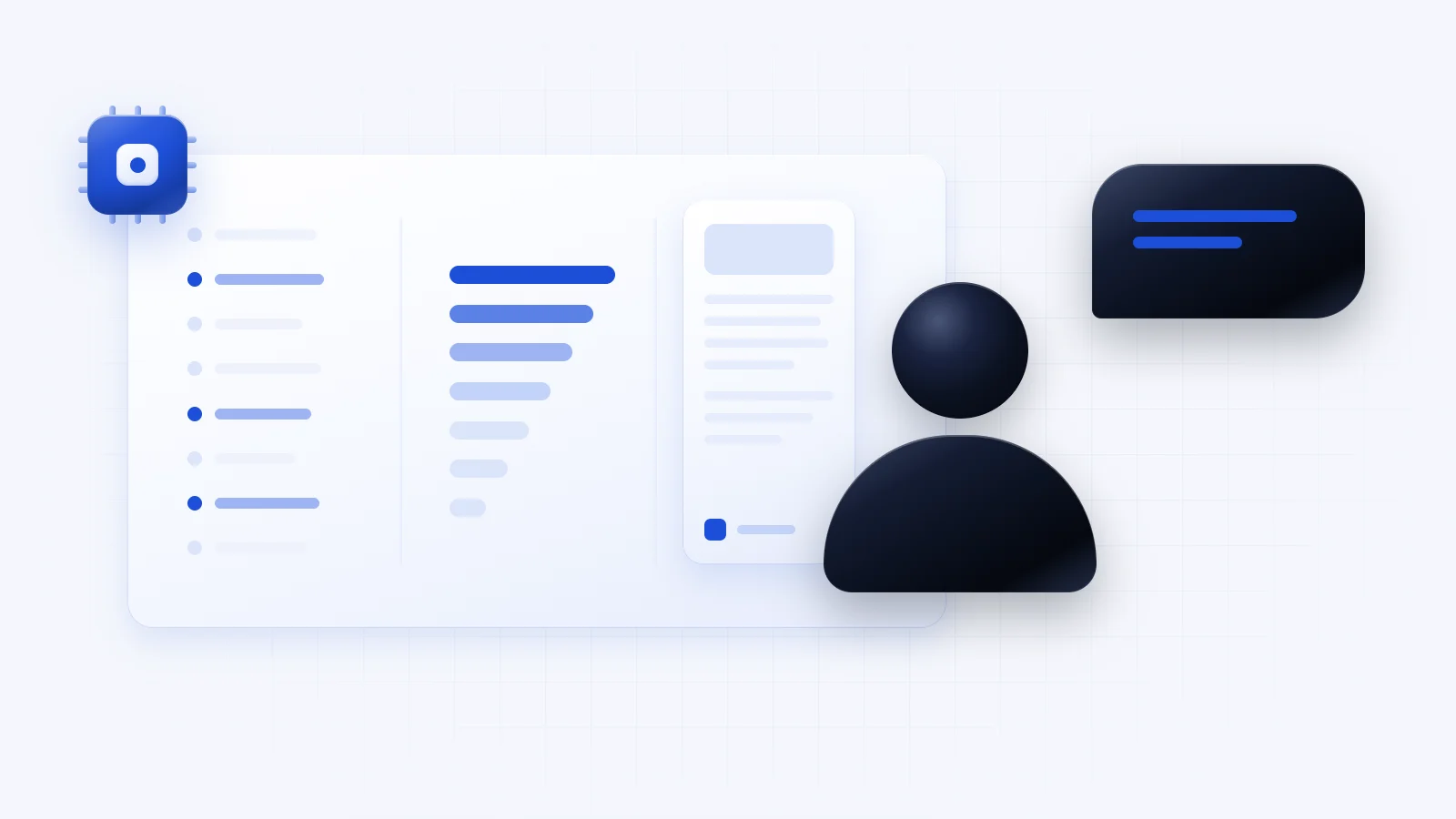
We map how the business actually works, then build and operate the agents, integrations and tooling that run it. Function by function, until the whole company is on one system.

Book a free audit What we build
implementation map live
Audit
Blueprint
Build
Run
mapped, automated, monitored
Sales live
Marketing live
Operations building
Finance building
Support live
People mapped
6 functions

Sound familiar?

You have bought AI in six places and joined none of it up.

Almost nobody is starting from nothing any more. The problem is not access to AI, it is that what you have is six disconnected experiments and no layer underneath holding them together.

Every team bought its own tool

Sales has one, marketing has another, finance found a third. Six subscriptions, six logins, and not one of them knows what the others did this morning.

The pilot worked and then stopped

Somebody proved it on one process, everyone agreed it was impressive, and it never got past the person who built it.

Nobody owns any of it

It was built by whoever had the time, it works right up until it does not, and the person who understood it has moved on.

What we build

The whole implementation, not a proof of concept.

Business-wide process audit

We sit with the people who do the work in every function and write down what really happens, workarounds included. You keep the map whatever you decide next.

Every function walked Scored on what it returns

Managed agents and guardrails

Agents that do real work on a trigger or a schedule, each scoped to one job, with the approval gates and escalation paths that make them safe to leave running.

Scoped per agent, per action Escalates, never guesses

The integration layer

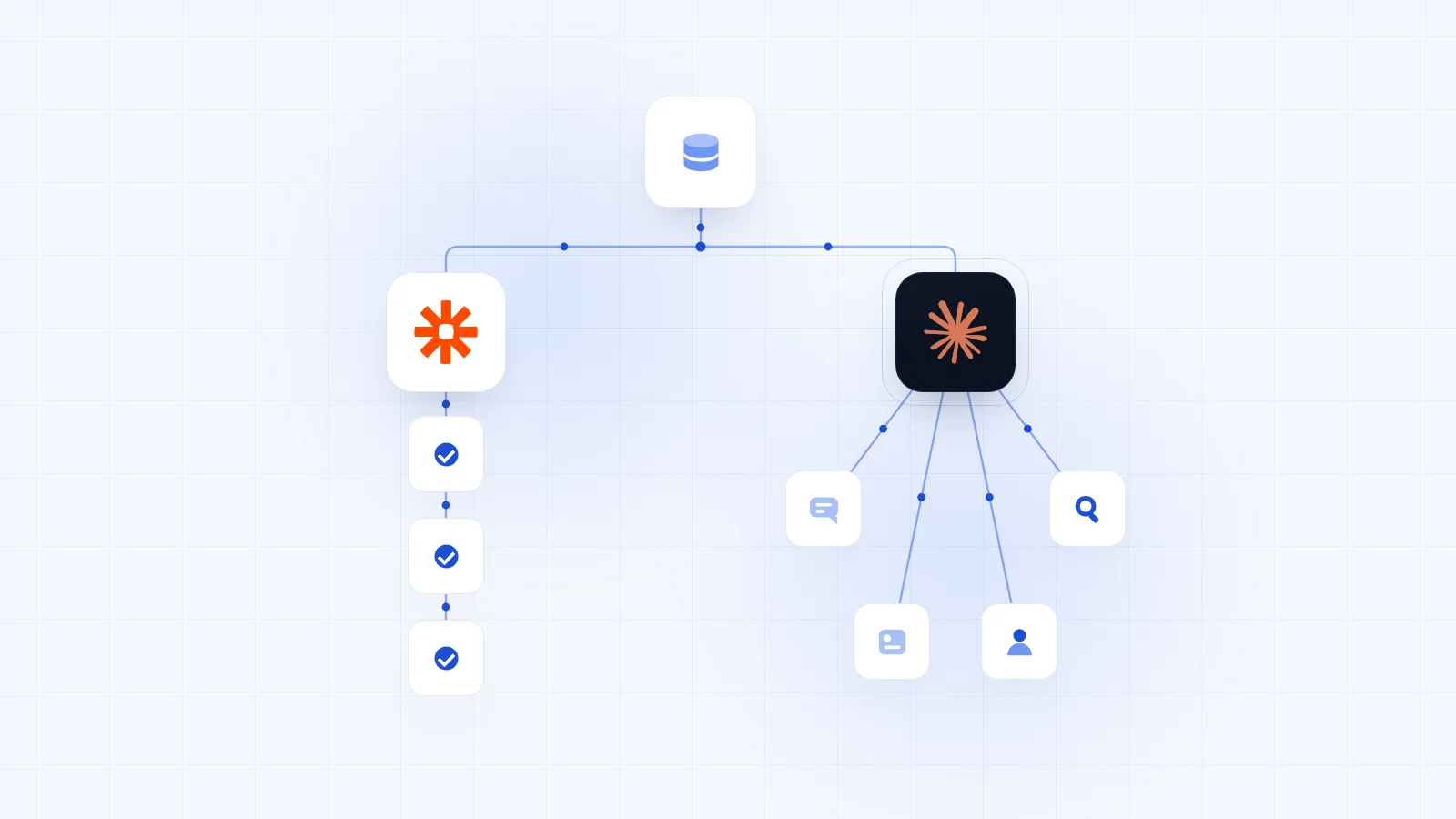
The connections between your systems, built properly once. Changes propagate as they happen, and the same record stops being typed into three places.

One source of truth per field Platforms you already pay for

Monitoring and internal tooling

Continuous checks on whether the work is genuinely happening, and one place for your team to see and steer it. A green tick on a platform dashboard is not evidence of anything.

Outcome, not run status One place to see it all

How the programme runs

Every function, running on one system.

Book a free audit

Once the layer underneath is in, six separate experiments stop being six things. What sales learns, marketing acts on. What operations finishes, finance already knows about. Nobody carries the work between them, and none of it stops at six o'clock.

Agents / All functions ⌘K

Workspace

Agents 14
Runs today 2,412
Escalations 3
Integrations 21

Delivery

Live 9
Ready to deploy 4
In build 1
Sorted by last run Functions 6 Status: any Last 24 hours
AgentFunctionTriggerStatus
lead-router Sales on new enquiry live
onboarding-runner Operations on signature live
invoice-matcher Finance hourly live
reply-triage Support on message live
supplier-chaser Operations daily ready
headcount-planner People weekly in build

every board is that client's own agents and functions

Results

What our clients say.

Outbound engine

They built an outbound engine targeting care homes and the results came fast. We went from sporadic enquiries to a predictable pipeline, all running automatically in the background.

Leafnotes
CEO
Ops automation

The manual work was slowing us down. They automated our core ops processes and the difference was immediate. My team stopped firefighting and started focusing on actual work.

Juicy Energy
Founder
Sales and ops build

We needed both a sales system and tighter ops. They delivered both in one build. It was live in under two weeks and we've not looked back.

2 of a Kind Studios
Co-founder
Outbound engine

They built an outbound engine targeting care homes and the results came fast. We went from sporadic enquiries to a predictable pipeline, all running automatically in the background.

Leafnotes
CEO
Ops automation

The manual work was slowing us down. They automated our core ops processes and the difference was immediate. My team stopped firefighting and started focusing on actual work.

Juicy Energy
Founder
Sales and ops build

We needed both a sales system and tighter ops. They delivered both in one build. It was live in under two weeks and we've not looked back.

2 of a Kind Studios
Co-founder

How we work

Three steps, and we run it from there.

01

Free audit call

Thirty minutes on where the work breaks down. You leave with a written view of what to automate first and the ROI case, whether you work with us or not.

02

The build

A programme rather than a project. Every function walked, a blueprint you sign off, then agents, integrations and internal tooling built on infrastructure we run. Deployed one function at a time against live data, with a way back.

03

Run and expand

We keep the agents running, fix what breaks when a tool underneath changes, and move on to the next function once the last one is returning.

Book your free audit

Start with what the business actually does all day.

Thirty minutes, in plain English. You leave with the functions worth automating first and the ROI case, whether you work with us or not.

A written view of what to automate first The ROI case, before you commit to anything No pitch, no obligation

Takes two minutes

A few quick questions, then pick a time.

We go through your site before we speak, so the call starts at what is actually going on rather than at the beginning.

Book a free audit →

30 min · no pressure selling

Questions

Before you ask.

Do we have to do the whole business at once? +
No, and we would talk you out of it. The audit covers every function so the priority order is an informed one, but the build runs a function at a time. The first one is live and returning before the second one starts, which is what keeps the risk small and the case for continuing honest.
How is a managed agent different from an automation? +
An automation follows a fixed path. An agent can read a situation, decide between options and escalate when it is out of its depth. That makes it useful for the messier work an automation cannot touch, and it makes guardrails and monitoring mandatory rather than optional.
What happens if an agent gets something wrong? +
It escalates rather than guessing, and every run is logged so a decision can be traced back. Agents are scoped to a specific job with a defined set of actions, which is what keeps the blast radius small when something does go wrong.
We already bought some AI tools. Is that wasted? +
Usually not. Most of what we do in the first phase is joining up things that already work in isolation, and a tool your team has already adopted is worth more than a better one they have to learn. If something genuinely cannot be integrated we will say so on the audit call rather than after the invoice.
Where do our API keys live? +
In the deployment platform's environment settings, never in a document and never in a chat thread. They are scoped to the job the agent does, and any one of them can be rotated without taking the system down.
How much of our team's time does this take? +
The audit is the heavy part, and it is mostly an hour with each function lead. After that it is a weekly check-in during the build and a review at each go-live. We are doing the work, not running a change programme you have to staff.
Where does it run, and what happens to our data? +
It runs on infrastructure we maintain, which is the point: it does not become another thing your team has to keep alive. Everything it produces goes into your systems as it happens, so the contacts, the threads and the bookings sit in your CRM whether or not you are still working with us. If you would rather the whole thing ran on your own accounts, we build it that way on request.
How involved does our team need to be? +
A kickoff, a review, and a weekly check-in while we tune. After that the system runs, and your team spends its time on what it produces.